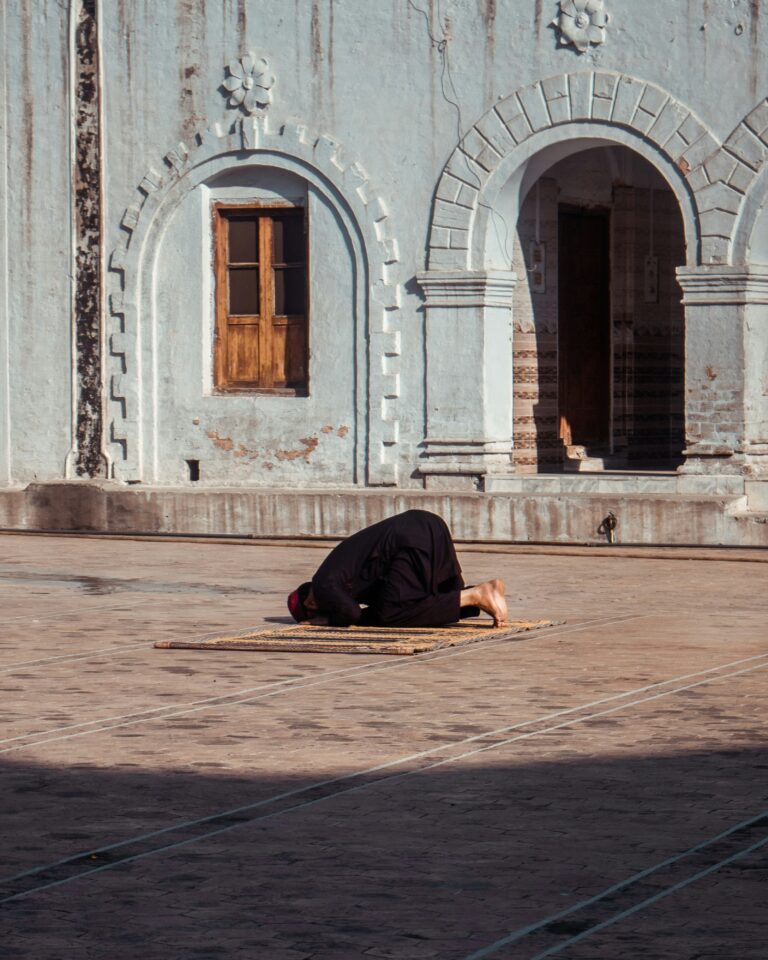


It starts with a search for peace. In a stressful, uncertain world, we all crave healing. People are drawn to motivational speakers, spiritual retreats, and energy workshops that promise empowerment and transformation. They speak of “vibrations,” “manifestation,” “alignment with the universe.” It all sounds calming — even beautiful.
But not everything spiritual is Islamic.
What we’re witnessing is not just a harmless trend. It’s a quiet shift — a creeping set of beliefs that may carry the language of Islam, but promote ideas that directly conflict with Islamic creed and tawhid.
The New Age belief system began in the West during a period of religious decline. As traditional religious institutions lost their influence, people became spiritually lost. Separated from divine guidance, they began creating new paths — ones that emphasized personal experience over divine command.
Over time, this gave birth to a spiritual movement that blended ideas from multiple faiths, philosophies, and ancient practices. By the 1970s, it had become a global phenomenon — one that continues to influence modern “wellness” and “self-help” movements to this day.
At the heart of the New Age belief system lies the idea that everything is divine — including the self. This is rooted in pantheism (the belief that God and the universe are one) and Wahdatul Wujud (the unity of all existence).
As a result, you’ll find ideas such as:
You may hear phrases like:
“Your thoughts create your reality.”
“Speak it, feel it, and the universe will respond.”
“Your fears, your worries, your hopes — they are all forms of prayer.”
But in Islam, this mindset is deeply problematic. Our du’a is not a magical formula, and Allah’s will is not dictated by human emotions or energy.
One of the most well-known concepts from New Age circles is the Law of Attraction — the belief that if you think positively and emit the right “energy,” good things will come to you.
While it may sound similar to optimism, it bypasses the most fundamental aspects of faith:
In this system, Allah is replaced by the universe, and trust in His plan is replaced with self-belief.
But what we want isn’t always what is good for us — and only Allah knows that.
“Perhaps you dislike a thing and it is good for you; and perhaps you love a thing and it is bad for you. Allah knows and you do not know.”
— Surah Al-Baqarah, 2:216
One hadith often quoted in these circles is: “I am as My servant thinks of Me.”
But it’s frequently misinterpreted to suggest that whatever you expect, you will receive.
The true meaning, as explained by scholars, is that one should think well of Allah while striving in obedience. Positive thoughts must be coupled with sincere repentance, du’a, and righteous action — not used as a justification for wishful thinking.
“Whoever thinks well of Allah while persisting in sin is deluded, not hopeful.”
— Ibn Rajab, Jami’ al-‘Ulum wal-Hikam
This belief system is subtle, emotional, and accessible. It doesn’t require creed or discipline. It offers quick emotional highs and wraps it in attractive branding — often using religious phrases to gain trust.
That’s why in our communities today, we see Qur’anic verses and hadiths being repackaged to fit spiritual ideologies that contradict Islamic teachings.
It promises control, healing, and peace — but leaves behind the foundation of surrender.
“Have you seen the one who takes his own desires as his god?”
— Surah Al-Jathiyah, 45:23
In a world full of uncertainty, it’s natural to seek comfort in something that makes us feel in control. But if that comfort leads us away from Allah’s guidance, it becomes a trap — not a remedy.
Islam offers spiritual healing. It offers motivation, hope, and empowerment. But always through the lens of revelation, tawhid, and obedience — never through self-deification or vague universal energies.
“This day I have perfected for you your religion and completed My favour upon you and have approved for you Islam as your religion.”
— Surah Al-Ma’idah, 5:3
So the next time a spiritual message feels comforting, ask: Is this calling me to Allah — or to myself?
Because not everything spiritual is Islamic.