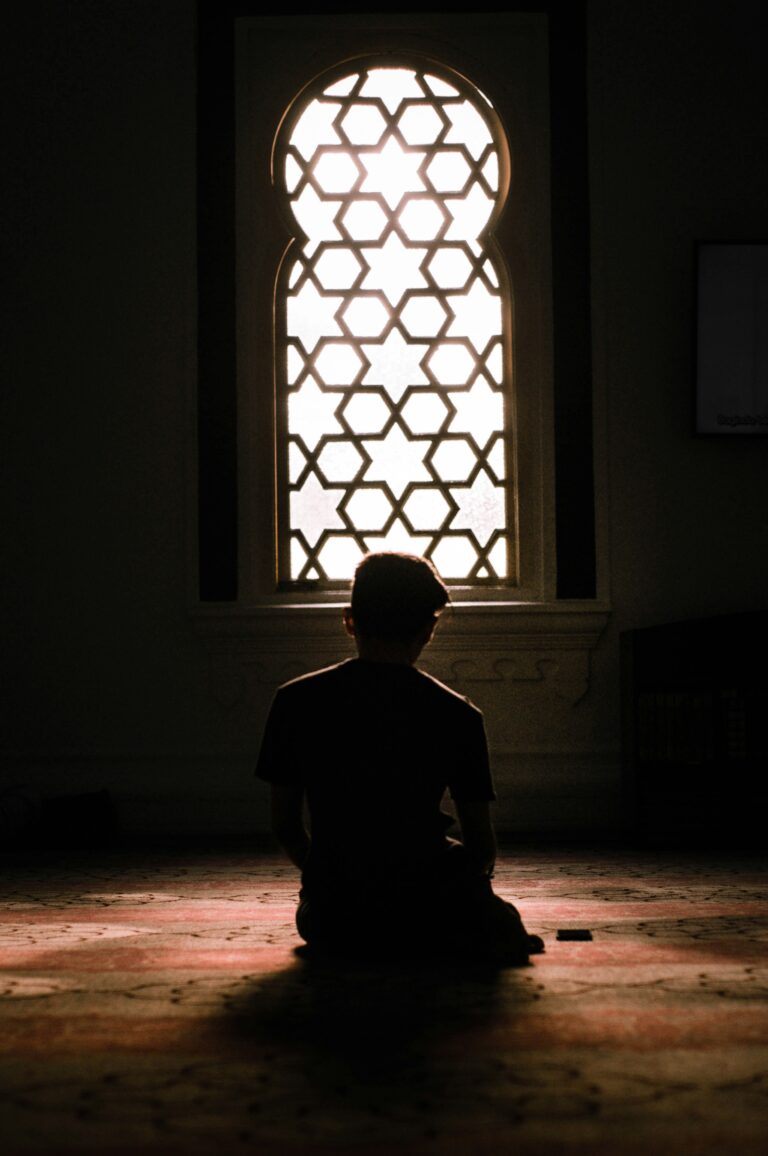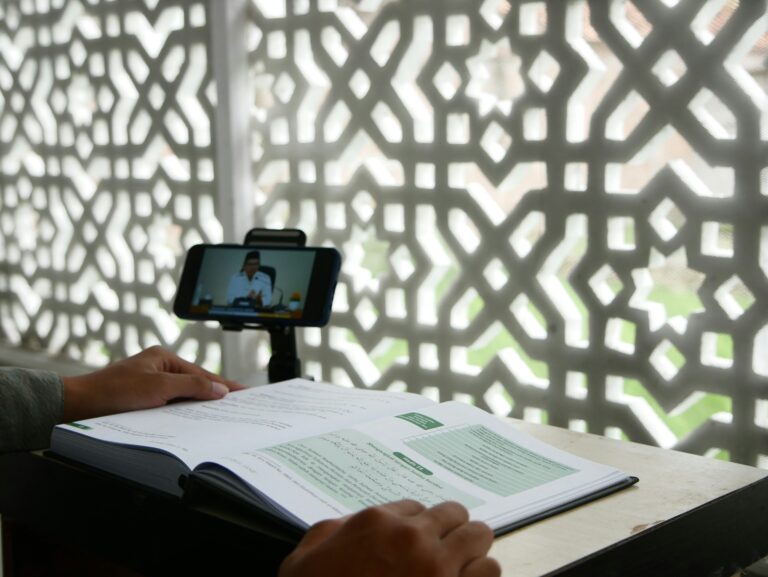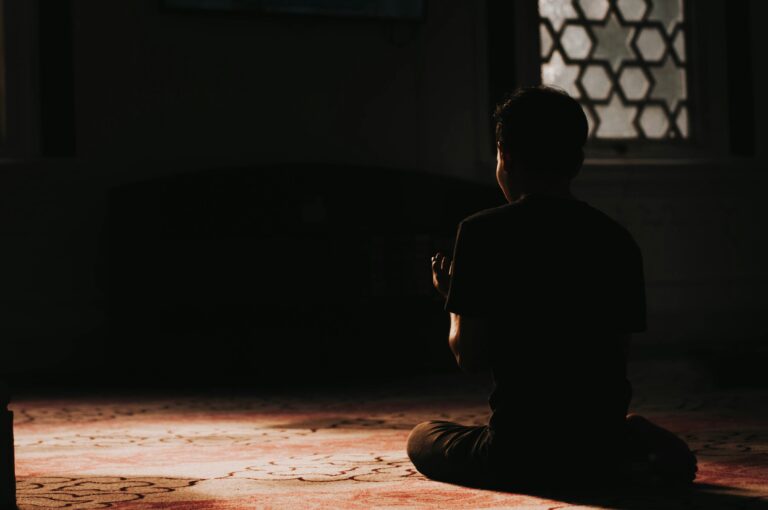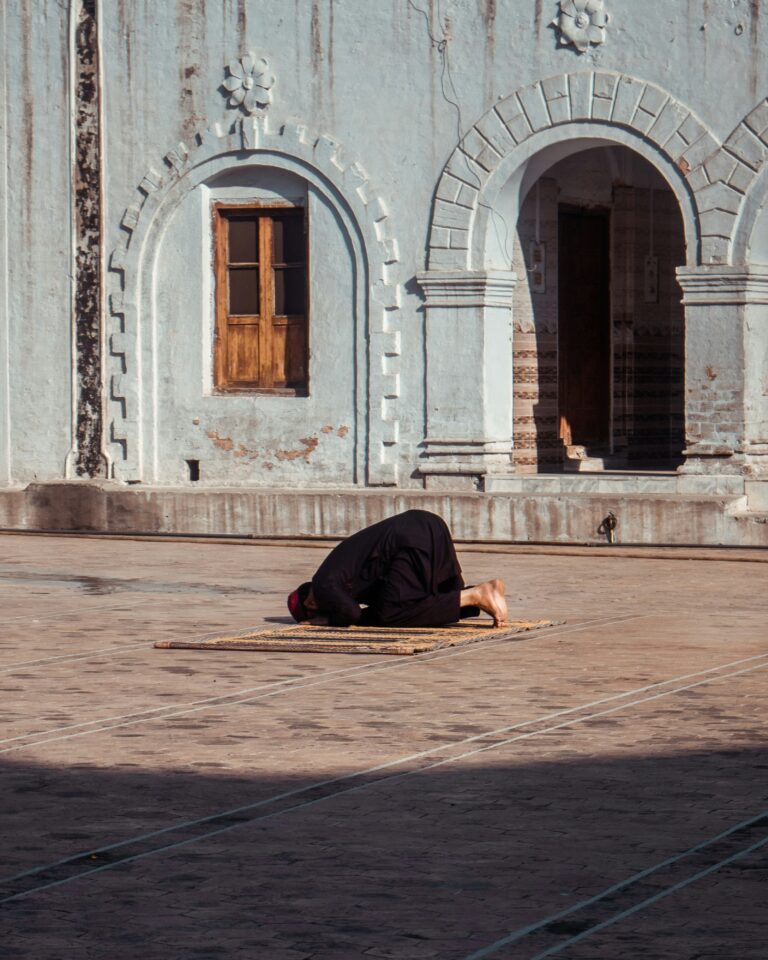


Many young Muslims today experience faith in ways shaped by personal struggles, social environments, identity questions, and the search for belonging. Their relationship with faith cannot be understood through simple labels or assumptions, but requires a nuanced reading of current realities. This article reflects on the issue through two lenses: as an Ustaz grounded in traditional sources, and as a youth practitioner working closely with young people on the ground. Using the Qur’anic framework of hikmah (wisdom), maw‘izah hasanah (good advice), and dialogue in the best manner, it explores how we can support young Muslims in reconnecting with faith meaningfully.
Young Muslims today are growing up in a world filled with emotional pressures, identity questions, social expectations, and constant comparison. Their struggles with faith should be viewed with nuance, not as a simple dichotomy between belief and disbelief, strength and weakness, or commitment and neglect. Writing both as an Ustaz and as a youth practitioner, I hope to reflect on this issue with compassion, grounding it in the Qur’an, Sunnah, and lessons from community work. Through deeper understanding, we may find better ways to make faith feel more accessible, relevant, and hopeful for the realities young people are living through.
There was once a young person who shared something privately with me:
“I still believe (in Islam)… I just don’t feel it anymore.”
That sentence stayed with me. It carried no arrogance, no argument, and no attempt to justify anything. It sounded more like exhaustion and helplessness.
Over the years, through Islamic learning and youth work, I have heard different versions of the same struggle. Some youths speak openly about feeling distant from Allah. Some avoid the topic altogether. Some continue showing up in community spaces, helping with programmes and being present with others, while quietly carrying guilt, confusion, or spiritual fatigue.
These experiences have taught me that conversations about young Muslims and faith need to be approached with care. A young person’s relationship with faith is shaped by a complex interplay of family, environment, education, friendships, personal traumas, religious exposure, social media, mental well-being, and the spaces they have access to.
This is why it is important to view the issue not as a dichotomy, but with nuance. A young person may still believe deeply, yet struggle with practice. Another may observe religious duties, yet feel emotionally disconnected. Another may have questions, yet still sincerely long for closeness to Allah. These realities can exist together and should not be seen as a lesser form of iman (faith).
As Muslims, we understand that iman is dynamic. It rises, weakens, renews, and grows through different phases of life. The Prophet ﷺ said:
“Faith wears out in the heart of any one of you just as clothes wear out, so ask Allah to renew faith in your hearts.”
This Hadith acknowledges what many experience silently: the heart changes, and renewal is part of the journey. For young Muslims today, that renewal happens within a complex reality shaped by online spaces, peer culture, academic pressure, family expectations, and wider conversations about identity and belonging.
Many young Muslims carry a quiet fear that they are not “religious enough.” Some compare themselves to others and feel inadequate. Some have made mistakes and worry that they will be judged. Some have questions they are afraid to ask because they fear being misunderstood.
For a young person who already feels spiritually fragile, the atmosphere around them matters greatly. A harsh word can close the heart. A compassionate conversation can become the beginning of return.
Allah سبحانه وتعالى says:
قُلْ يَا عِبَادِيَ الَّذِينَ أَسْرَفُوا عَلَىٰ أَنفُسِهِمْ لَا تَقْنَطُوا مِن رَّحْمَةِ اللَّهِ
“Say: O My servants who have transgressed against themselves, do not despair of the mercy of Allah.”
(Surah al-Zumar, 39:53)
This verse is one of the most hopeful verses in the Qur’an. It speaks to those who have wronged themselves, yet still addresses them as “My servants.” The relationship with Allah is not closed because a person has struggled. The door of mercy remains open.
The Prophet ﷺ also taught a way of guiding people that was full of mercy:
“Make things easy and do not make them difficult; give glad tidings and do not drive people away.”
(Sahih al-Bukhari & Sahih Muslim)
This Hadith should shape how we teach, advise, mentor, and welcome people. Ease does not remove principles. Glad tidings do not ignore accountability. The Prophetic approach shows us how truth can be delivered in a way that opens the heart.
Allah describes the Prophet ﷺ by saying:
فَبِمَا رَحْمَةٍ مِّنَ اللَّهِ لِنتَ لَهُمْ
“It is by the mercy of Allah that you were gentle with them.”
(Surah Ali ‘Imran, 3:159)
Gentleness was central to his leadership. His mercy did not weaken the message. It allowed people to receive it.
Through community work, I have come to appreciate how much young people need consistent, trustworthy relationships.
In youth spaces, we often meet young people after they have already been labelled in different ways. Some are seen as disengaged. Some are described as difficult. Some are viewed through their mistakes, school attendance, family issues, or behaviour. But when we spend time with them, listen to them, and walk with them through different seasons, a fuller picture begins to emerge.
Many young people are carrying more than they know how to explain: family issues, financial pressures, peer influence, self-worth issues, and the search for belonging in places that may not always guide them well.
Religious reminders still matter, but they are received differently when there is trust. Sometimes, the first step is a sincere conversation that helps the youth feel seen.
There is a well-known narration where a young man came to the Prophet ﷺ asking permission to commit zina (unlawful sex). The companions reacted strongly, but the Prophet ﷺ called him closer and spoke to him calmly. He asked questions that appealed to the young man’s heart and sense of dignity. The Prophet ﷺ then supplicated for him, and the young man left with his heart changed. (Musnad Ahmad)
This moment shows how the Prophet ﷺ brought him close, engaged his heart, and guided him with wisdom.
A helpful framework for engaging young Muslims can be drawn from Allah’s command:
ادْعُ إِلَىٰ سَبِيلِ رَبِّكَ بِالْحِكْمَةِ وَالْمَوْعِظَةِ الْحَسَنَةِ وَجَادِلْهُم بِالَّتِي هِيَ أَحْسَنُ
“Invite to the way of your Lord with wisdom, good advice, and rationalise with them in the best manner.”
(Surah al-Nahl, 16:125)
This verse offers three important principles for youth faith engagement.
The first is hikmah, or wisdom. Wisdom requires us to understand the person, their context, and their reality before guiding them. A reminder may be true, but without context, timing, and empathy, it may not reach the heart. For young Muslims today, hikmah means recognising the emotional, social, digital, and identity-related pressures they are navigating.
The second is maw‘izah hasanah, or good advice. Religious reminders should carry mercy, hope, and encouragement. Young people often remember how they were made to feel before they remember the exact words spoken to them. Good advice helps them see that returning to Allah is possible, even while they are still struggling.
The third is dialogue in the best manner. Young Muslims may carry questions, doubts, or confusion. These should be handled with patience and dignity, because a question received well can become a doorway into deeper faith.
This framework allows us to hold both truth and compassion together. It helps preserve the principles of Islam while also recognising the realities of the young person in front of us.
Young people also need to be reminded that growth can be gradual.
Many feel overwhelmed because they imagine that returning to faith means changing everything immediately.
Our tradition gives great value to consistency. The Prophet ﷺ said:
“The most beloved deeds to Allah are those that are consistent, even if small.”
(Sahih al-Bukhari & Sahih Muslim)
This Hadith offers a gentle path forward. A young person may begin with one prayer, one du‘a, one honest conversation, or one harmful habit left behind. Small steps matter when they are sincere and continuous.
The Qur’an also gives hope to those who strive:
وَالَّذِينَ جَاهَدُوا فِينَا لَنَهْدِيَنَّهُمْ سُبُلَنَا
“As for those who strive in Our cause, We will surely guide them to Our ways.”
(Surah al-‘Ankabut, 29:69)
The verse recognises every effort. It gives hope that guidance comes to those who keep moving towards Allah, even when the path feels difficult.
The faith journey of young Muslims should concern all of us: families, asatizah, educators, youth workers, community leaders, and peers.
We can ask ourselves how our homes, mosques, classrooms, youth spaces, and community platforms can become places where young people encounter both truth and mercy. We can think more carefully about the words we use, the assumptions we carry, and the environments we create.
The standards of Islam should be preserved. At the same time, the doors of return should remain wide. Young Muslims need a faith that is principled, merciful, relevant, and close enough to walk with them through life.
As someone who writes from both religious learning and youth engagement, I believe we need more bridges between these spaces. Our tradition gives us the principles. The ground shows us the realities. When both are brought together with sincerity and compassion, we are better able to serve the young people entrusted to us.
Young Muslims today are carrying questions, pressures, hopes, and struggles that deserve to be understood with care. Their relationship with faith is often layered, shaped by both inner experiences and outer environments.
Some are searching for meaning. Some are longing for belonging. Some are carrying guilt. Some are trying to return quietly. Some are still holding on, even when they do not know how to say it.
Our role is to help make the path clearer, gentler, and more connected to the mercy of Allah.
If we can meet young people with wisdom, compassion, patience, and sincerity, faith may begin to feel close again. Not all at once, and not always in ways immediately visible; but slowly, step by step and one heart at a time.

Nearest MRT :
Orchard & Somerset
Address:
Al-Falah Mosque
22 Bideford Road #01-01,
Singapore 229923
Contact Number:
+65 6235 3172
Fax:
+65 6735 5580
Email:
[email protected]
Copyright © 2022 Masjid Al-Falah. All Rights Reserved.